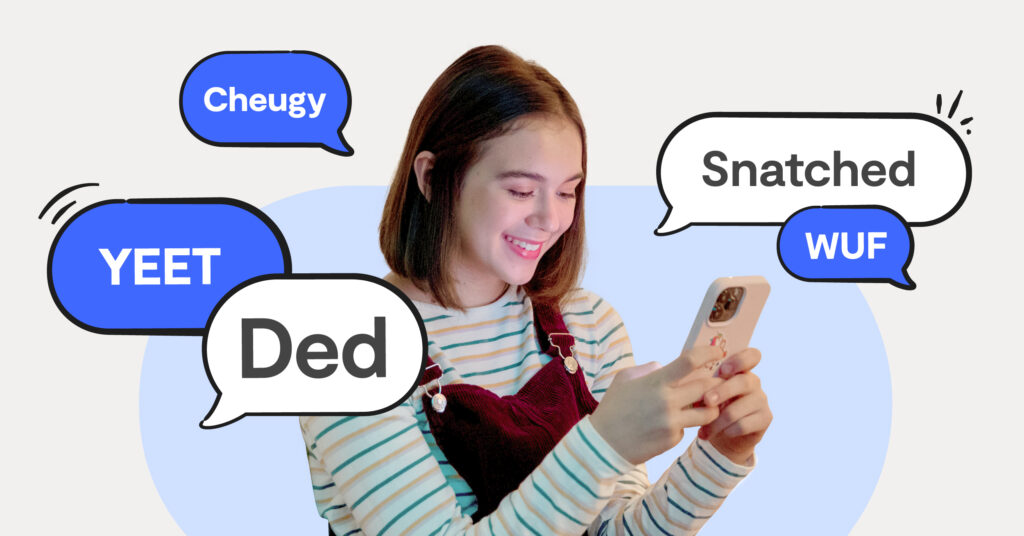
Text messages and social media chats move fast. People type short forms and slang to save time and add feeling. This guide explains the most popular text slang in clear detail. You will learn exact meanings, see real examples, and understand when to use each one safely. Whether you text friends, family, or coworkers, knowing these terms helps you communicate better and avoid confusion.
Why Popular Text Slang Matters Today
People send billions of messages every day. Popular text slang developed because typing on small screens takes effort. Short forms let you reply quickly while showing emotion or tone that plain words might miss.
Younger people use slang more often on apps like WhatsApp, Instagram, and TikTok. Older adults see these terms in group chats with kids or colleagues. Learning them builds stronger connections. You stay in the loop instead of guessing what someone means.
Slang also changes fast. Terms popular five years ago may sound dated now, while new ones appear from viral videos or memes. This guide covers both longtime favorites and current ones popular in 2025 and 2026. You get practical knowledge you can use right away in daily conversations.
Context always counts. The same slang can mean different things depending on who sends it and how they use it. A casual chat with friends allows more playful terms than a work message. Understanding these differences prevents mix-ups and keeps your replies appropriate.
Also, read about What Does PMO Mean in Text?
Classic Popular Text Slang Still Used Every Day
Many popular text slang terms have been around for years but remain common because they work well.
- LOL stands for Laughing Out Loud. People use it to show something is funny. In real life, it often means mild amusement rather than actual loud laughter. You might see “LOL” after a joke or silly story. Example: “That video of the cat falling is LOL.” Friends sometimes stack it as “LOLOL” for extra emphasis.
- BRB means Be Right Back. Use this when you step away from the chat for a short time. It tells the other person you will return soon. Example: “BRB, grabbing some water.” In longer conversations, it keeps the flow going without awkward silence.
- ASAP is As Soon As Possible. This one appears in both casual and work chats. It shows urgency without sounding too demanding. Example: “Please review the file ASAP.” In friendly messages, it feels lighter, like “Call me ASAP when you see this.”
- BTW stands for By The Way. People add this before sharing extra information. It works like a smooth transition in conversation. Example: “I’m free this weekend BTW. Want to meet up?” It keeps chats natural and flowing.
- FYI means For Your Information. This term shares facts or updates politely. It appears often in professional settings but also among friends. Example: “FYI, the store closes at 8 tonight.” It gives context without pressure.
- TTYL is Talk To You Later. This signals the end of a chat for now. It feels friendlier than a plain goodbye. Example: “Heading out now, TTYL!” Variations include TTY soon for a quicker return.
These classic terms form the base of popular text slang. Newer users mix them with fresh expressions for unique styles.
Reaction and Emotion Slang in Popular Text Slang
People use many slang terms to show how they feel about messages. These add tone that plain text lacks.
- SMH means Shaking My Head. It shows disappointment, disbelief, or disapproval. You see it after surprising or silly news. Example: “He forgot his keys again SMH.” It conveys a head-shake feeling without extra words. Some write “SMFH” for stronger frustration.
- TBH stands for To Be Honest. This adds sincerity or a direct opinion. It often introduces a personal view. Example: “TBH, I didn’t like that movie much.” It makes statements feel more open and real.
- NGL is Not Gonna Lie. Similar to TBH, it shows you speak truthfully. Example: “NGL, that new song slaps.” It builds trust by signaling honesty upfront.
- IKR means I Know, Right? This agrees strongly with what someone said. It shows shared feelings. Example: “This weather is too hot IKR.” It strengthens bonds through common experiences.
- ROFL or LMAO express stronger laughter. ROFL is Rolling On the Floor Laughing. LMAO is Laughing My A** Off. Use these for very funny moments. They add energy to positive reactions. Be careful with LMAO around people who dislike strong language.
- OMG is Oh My God. It shows surprise, excitement, or shock. Example: “OMG you won the prize!” Tone depends on context—happy or concerned.
These reaction terms make popular text slang lively. They help express feelings quickly in fast chats.
Relationship and Social Popular Text Slang
Chats about friends, partners, and plans use specific slang.
- BFF means Best Friends Forever. This celebrates close friendships. Example: “Movie night with my BFF.” It shows strong connection.
- BAE stands for Before Anyone Else. People use it for a romantic partner or very close person. Example: “Date night with bae.” It feels affectionate and special.
- BF or GF simply mean Boyfriend or Girlfriend. These appear in updates about relationships. Example: “My BF surprised me today.” Clear and direct.
- FOMO is Fear Of Missing Out. It describes worry about missing fun events. Example: “Seeing all the party photos gives me FOMO.” It explains why someone wants to join activities.
- Ghosting means suddenly stopping all communication without explanation. Example: “He stopped replying, I think he’s ghosting me.” Understanding this term helps recognize when someone loses interest.
- Situationship refers to a relationship that is not clearly defined. It is more than friends but not official. Example: “We’re in a situationship right now.” It captures modern dating complexity.
These terms help discuss personal life clearly in texts. They give names to common experiences.
Work and Practical Popular Text Slang
Professional chats use practical slang too.
- ETA means Estimated Time of Arrival. Useful for meetings or deliveries. Example: “What’s your ETA?” It helps with planning.
- EOD is End Of Day. This sets deadlines. Example: “Please send the report by EOD.” It creates clear expectations.
- LMK stands for Let Me Know. This asks for updates or decisions. Example: “LMK if you can join the call.” It invites response without pressure.
- NVM means Never Mind. Use it when something no longer matters. Example: “NVM, I found the file.” It cancels previous requests smoothly.
- IDK is I Don’t Know. Honest when you lack an answer. Example: “IDK what time it starts.” Pair it with offers to check for helpfulness.
These keep work messages efficient while staying friendly.
Gen Z and Current Popular Text Slang Trends
Newer slang from social media adds fresh flavor to popular text slang.
- POV means Point Of View. It sets up a scenario or perspective, common in videos and stories. Example: “POV: You finally get a day off.” It creates immersive sharing.
- Sus is short for Suspicious. It questions if something seems off. Example: “That excuse sounds sus.” It calls out doubtful claims lightly.
- Cap means a lie. “No cap” means truth. Example: “No cap, that was the best game ever.” It emphasizes honesty.
- Rizz refers to charisma or flirting skill. Example: “He has mad rizz with everyone.” It praises social charm.
- Slay means doing something exceptionally well. Example: “You slayed that outfit.” It gives strong compliments.
- Bet shows agreement or confirmation. Example: “Meet at 7? Bet.” It replaces “okay” with confidence.
- Lit describes something exciting or great. Example: “The party was lit.” It shows high energy.
- Mid means average or not special. Example: “That movie was mid.” It gives mild criticism.
- GOAT stands for Greatest Of All Time. Example: “She is the GOAT at basketball.” Highest praise for skill.
- Finna means fixing to or about to. Example: “I’m finna eat.” It shows immediate plans.
These terms reflect current culture and viral trends. They make popular text slang feel current.
Fun and Playful Popular Text Slang
Some slang adds humor or playfulness.
- AF means As F***. It adds intensity. Example: “I’m tired AF.” Use carefully based on your audience.
- W or L stand for Win or Loss. Example: “That was a big W for the team.” It tracks successes and failures casually.
- Yeet means to throw something with force or excitement. Example: “Just yeet the ball over here.” It brings energetic action.
- Tea means gossip or interesting information. Example: “Spill the tea!” It invites sharing stories.
- Vibes refers to atmosphere or feeling. Example: “Good vibes only.” It describes emotional tone.
- Mood shows strong agreement with a feeling or image. Example: “This rainy day is a mood.” It connects through shared emotions.
These keep conversations light and engaging.
Regional and Generational Differences in Popular Text Slang
Slang varies by location and age. In some places, certain terms dominate more. Younger groups create and spread new expressions faster through apps. Parents and teachers benefit from learning these to understand kids better.
Misunderstandings happen when generations mix. A parent might see “sus” and wonder about the meaning. Knowing the terms bridges gaps.
Context and relationship matter most. Close friends use edgier slang. Professional or family chats stay safer. Always consider how the other person might receive your message.
Common Mistakes and Tips for Using Popular Text Slang
- Overusing slang can make messages hard to read. Mix normal words with slang for balance.
- Watch for autocorrect fails that change meanings. Read before sending.
- Not everyone knows every term. Explain if you sense confusion.
- Cultural differences exist. Something harmless in one group might offend another. Stay respectful.
- Practice in low-stakes chats first. Observe how others use terms before trying them.
How Popular Text Slang Continues to Change
New platforms and trends create fresh slang constantly. Memes, songs, and challenges introduce terms that spread worldwide in days.
Staying updated involves reading chats, watching short videos, and asking younger people for explanations. This guide gives a strong foundation you can build on.
Language evolves, but the goal stays the same: clear and quick connection with others. Popular text slang serves that purpose well when used thoughtfully.
Final Thoughts on Mastering Popular Text Slang
This complete guide covers the most popular text slang with practical explanations and examples. You now understand meanings, contexts, and best uses.
Apply these in your daily messages. Start with a few terms and expand as you gain confidence. Better understanding leads to smoother conversations and fewer mix-ups.
Share this guide with friends or family who want to stay current. Communication improves when everyone speaks the same digital language. Keep practicing, stay observant, and enjoy richer text chats.